
Rope care
Rope verification and safety rules
Rope get damage over time, fibber get broken/bend/fatigue and also natural fibber decompose over time. A natural fibber rope should have a lifespan has a lifeline for no more then 5 years. Before use, always verify your rope integrity, visual verification can help see damage.
Rope cleanning
Cleaning ropes depends on the material:
- Synthetic ropes: These can often handle a gentle washing machine cycle with diluted bleach. Tie them in a chain or place them in a pillowcase to prevent tangles.
- Natural fiber ropes: Boil them in water (avoid harsh chemicals). For jute, hemp, or linen ropes, drying is crucial. Do this under tension to prevent shrinkage. After drying, you can carefully singe off any loose fibers with a lighter (burn with caution!). Then, rinse with cold water to remove any ash. Finally, apply a natural oil like jojoba and wax like beeswax to condition the rope. Allow the rope to rest and absorb the treatment before use.
Important notes:
Be very careful when burning off loose fibers – never leave a burning rope unattended.
Always check the manufacturer’s cleaning instructions for specific ropes.
Avoid using strong bleach or harsh chemicals on any rope.
Rope Maintenance
- Verify your ropes, before and after use.
- Remove impurity and sand before use.
- Never store a wet rope, specially in the dark.
- Do not leave rope under the sun.
- Not all type of rope can go to washing machine.
- Oiling and waxing, will prolong the life of jute/hemp rope.
- Dont use strong chemical on ropes
Rope ends
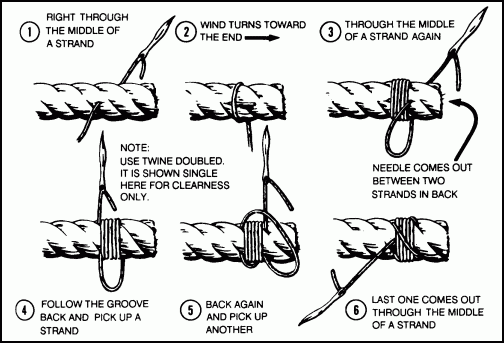
Whipping the ends of a rope allow to colour code your ropes. This can allow to know base on the colour you use for length and the time they where made to judge there ages. Some people whip also the middle of the rope for easy handling.
See also
https://degiottorope.com/blogs/information/care-and-maintenance-of-shibari-rope
https://twistedsyn.com/pages/rope-care
How to fix ropes